
AsiaEurope Paratha Production Line
Paratha / Roti Production Line in Russia
Location
Omsk,Russia
Equipment
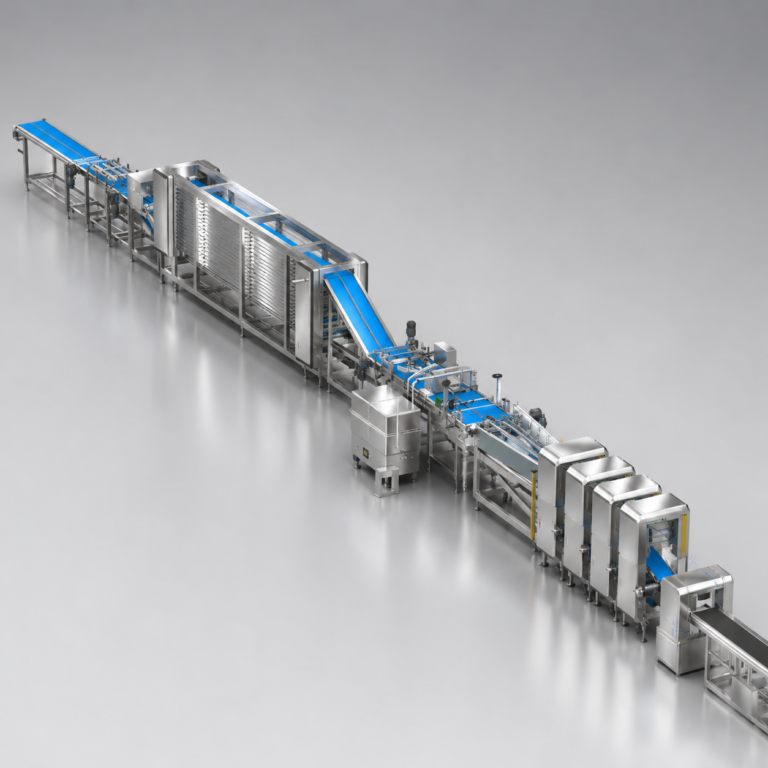
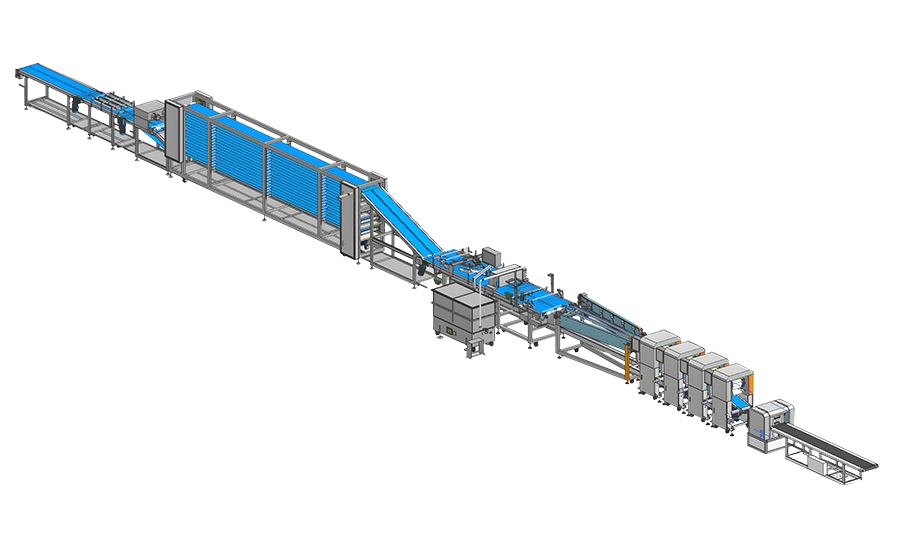
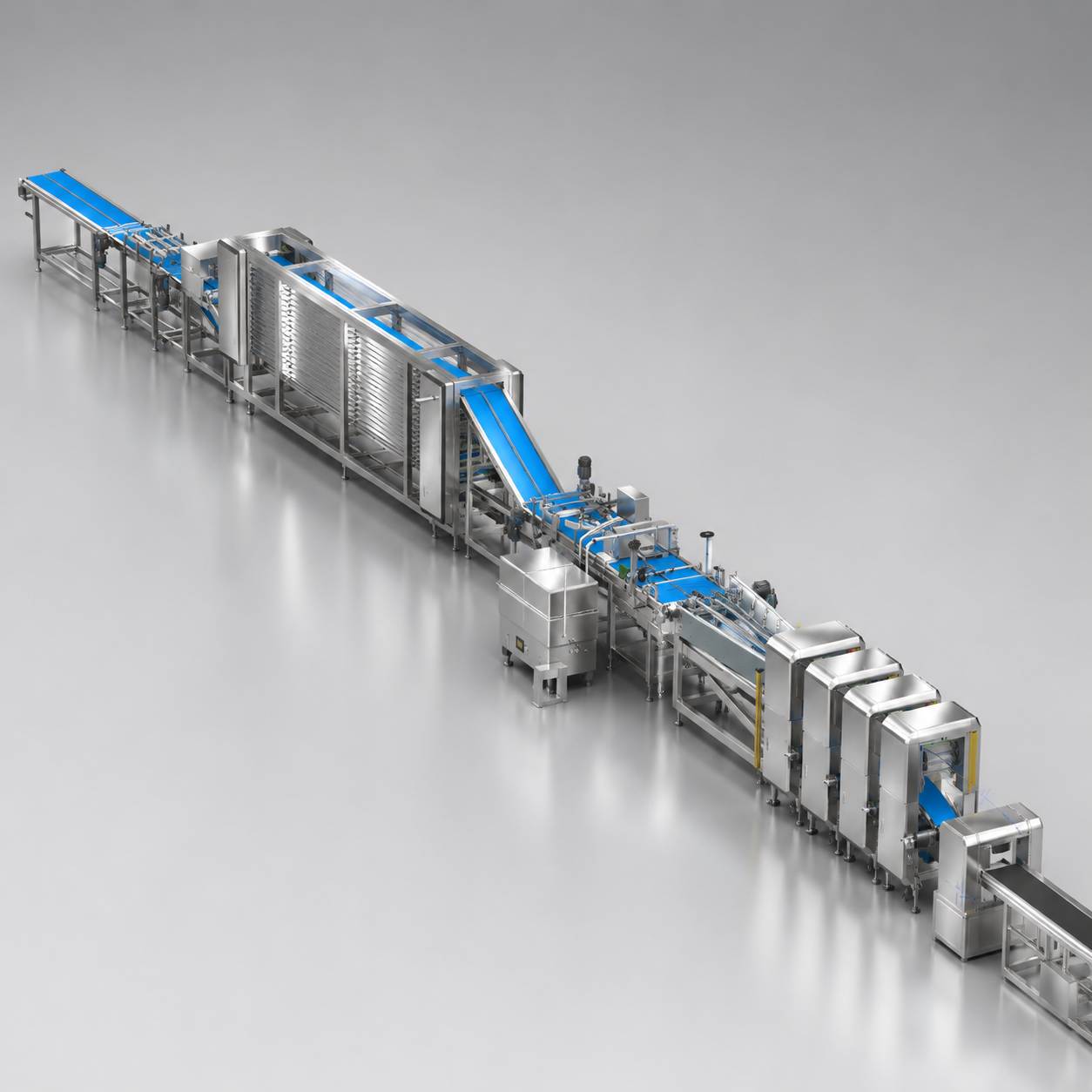
Paratha / Roti Production Line
Application
Food Factory
Project Type
15cm/20cm
Main Goal
4000psc/h
Project Overview
The customer is based in Omsk, Russia, and was planning to build a new food production facility. After studying the local market, the customer found that roti-style flatbread products were not yet common in the region. However, based on the product’s flavor profile, eating habits, and suitability as a staple food, the customer believed that roti could have strong market potential in the local food market. After contacting PROX, the customer was not only looking for production equipment, but also expected support in product process development, recipe exploration, and production line planning. PROX worked closely with the customer to discuss the roti production process, product texture, forming method, capacity requirements, and factory implementation plan, laying the foundation for a practical production line solution.
Customer Challenges
Limited Local Market References
Roti-style flatbread was not yet common in the customer’s local market in Omsk, Russia. Although the customer saw potential demand, there were limited local product references, consumer feedback, and production experience. At the early stage, the customer needed to verify whether the product would match local taste preferences and how it could be produced consistently at scale.
Lack of Production Experience in a New Factory
As this was a newly built food factory project, the customer did not have mature experience in operating a roti production line. Beyond equipment purchasing, they needed a better understanding of the full production process, including recipe development, dough condition, forming method, packaging, and storage.
Recipe and Process Development Required
The texture, softness, elasticity, and layered structure of roti are closely related to recipe and process control. The customer needed support not only with machinery, but also with testing and optimizing the recipe, dough sheeting, resting time, oil application, and forming effect based on local raw materials and target product quality.
Production Line Layout Needed to Fit the New Factory
Because the factory was newly built, the production line had to be planned together with the factory layout, including space arrangement, electricity, compressed air, material flow, operator movement, production area, and packaging area. Poor layout planning could affect installation efficiency, production flow, and future expansion.
PROX Customized Solution
Because this was a new factory project and roti-style flatbread was not yet a mature product in the customer’s local market, PROX did not start by simply selling equipment. Instead, we worked with the customer from market evaluation, product positioning, process feasibility, and production line planning to help reduce project risk.
Equipment Configuration
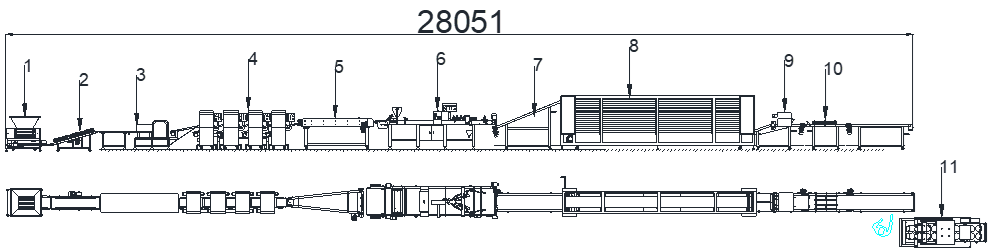
Equipment List
- 1 Dough Chunker
- 2 Dough Conveyor
- 3 Dough Per-forming
- 4 Dough Sheeting/Thinning Machine
- 5 Dough Stretcking Machine
- 6 Dough Forming Machine
- 7 Climbing Conveyor
- 8 9-Layer Conveying Dough Resting Machine
- 9 Dough Cutting Machine
- 10 Dough Rolling And Shaping Machine
- 11 Paratha pressing and film covering machine
Installation & Commissioning
After the equipment arrived at the customer’s factory, PROX arranged on-site installation and commissioning support. Before the engineer’s arrival, we provided the customer with layout drawings, electrical connection points, voltage and power requirements, and gas requirements for the oven, helping them prepare the site in advance. The whole installation and commissioning process took about 7 days.
-
1
Engineer Arrangement
After receiving the customer’s installation request, PROX arranged the engineer’s visa application and confirmed the service schedule after the visa was approved
-
2
Site Preparation Support
Before departure, we provided the production line layout, equipment positioning plan, electrical connection details, and gas requirements, helping the customer prepare the site in advance.
-
3
Installation & Line Connection
In the first 2-3 days on site, the engineer completed equipment positioning, module connection, electrical wiring, air/gas connection, and partial equipment assembly.
-
4
Commissioning & Training
After installation, the engineer carried out line commissioning, trial production, parameter adjustment, and operator training, including equipment operation, adjustment, maintenance, and safety guidance.
Project Results
After confirming that no similar production line had been supplied to the local or nearby market before, the customer gained a clearer understanding of both the opportunity and the risk. The project helped them better define product positioning, target consumers, and market entry strategy.
Clearer Market Entry Direction
Based on the customer’s new factory conditions, target product features, capacity requirements, and process expectations, PROX planned an automated roti production line solution. The solution covered key processes such as dough handling, sheeting, stretching, oil brushing, forming, cooling, and downstream packaging connection.
Practical Production Line Plan Established
By involving a professional recipe team in China and the customer’s local recipe specialist, the customer gained a better understanding of local raw materials, dough condition, oil ratio, product texture, and production feasibility on automated equipment. This helped reduce unnecessary trial-and-error during future testing.
Better Matching Between Recipe and Equipment Process
Since this was a new factory project and roti was still an early-stage product in the local market, the customer needed to control investment risk carefully. Through market checking, process analysis, recipe discussion, and detailed line planning, PROX helped the customer validate the project before moving further.
Reduced Risk for the New Factory Project
Project Value Summary
This project shows how a new food factory can move from a product idea to a practical production plan when entering an undeveloped market segment. For the customer in Omsk, Russia, the challenge was not only purchasing equipment, but also evaluating whether roti-style flatbread could match local market demand and be produced consistently with a suitable recipe and process. PROX supported the customer from market research and sales record review to process discussion, recipe feasibility evaluation, and production line planning. This helped the customer reduce uncertainty before investment and build a clearer roadmap for product testing, factory setup, and future market launch. For new investors or food manufacturers exploring a new flatbread product, this project demonstrates that a successful production line project should start with market validation, process understanding, recipe matching, and practical line design — not just machine selection.
Customer Feedback
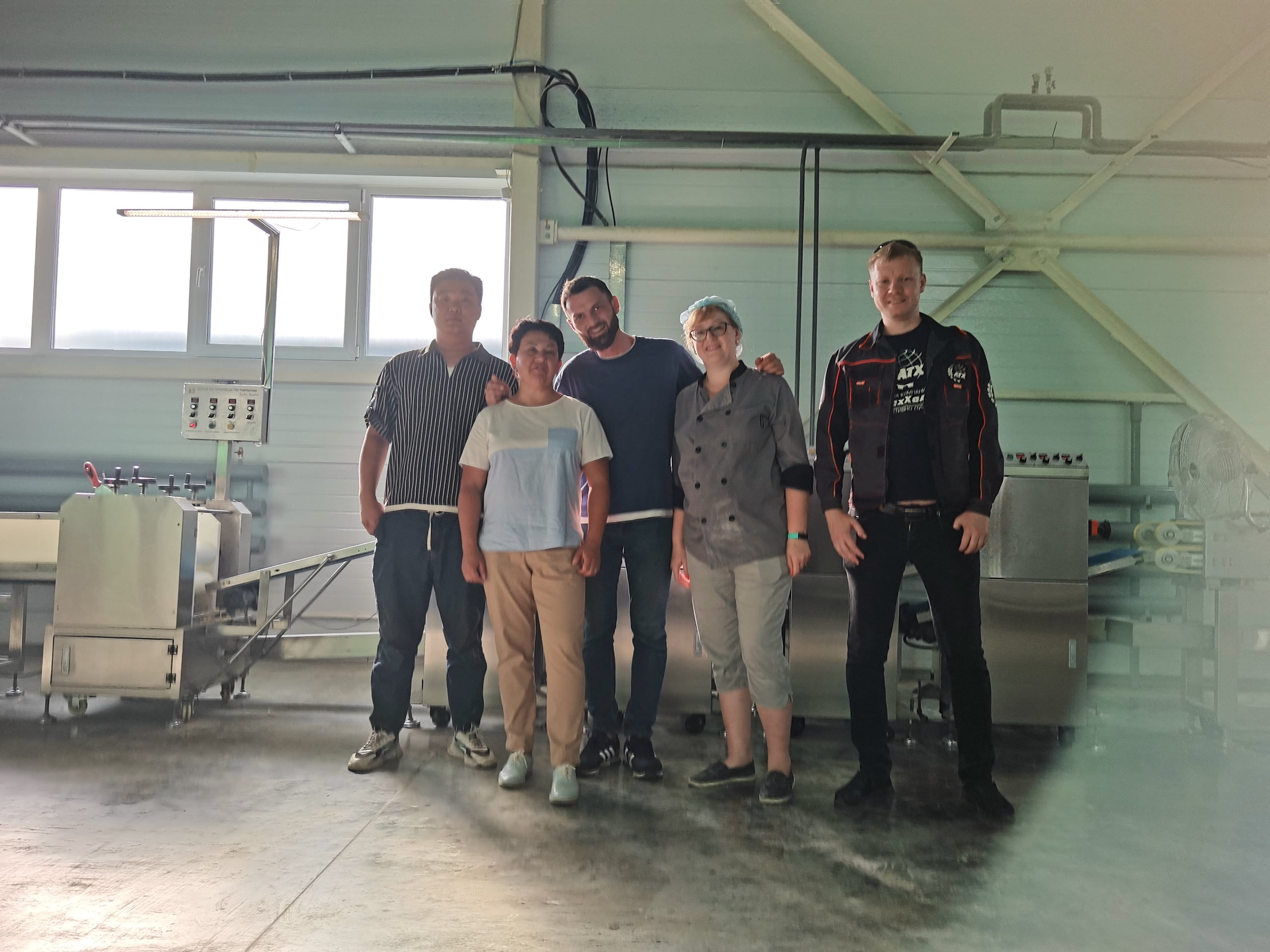
At the beginning of this project, we were interested in the market potential of roti products in our region, but we were also unsure whether the equipment, process, and recipe could be successfully implemented. The PROX team did not simply recommend machines. Instead, they helped us review the market situation, discuss the production process, and evaluate recipe feasibility before planning the complete production line. Through several rounds of communication, we gained a clearer understanding of the product direction, line configuration, and future trial production plan. PROX’s support gave us more confidence in moving forward with our new factory project.
Related Products
Interested in a Similar Solution?
Contact HEFEI PROX to discuss your production requirements. We'll design a customized flatbread production line tailored to your factory and capacity goals.