
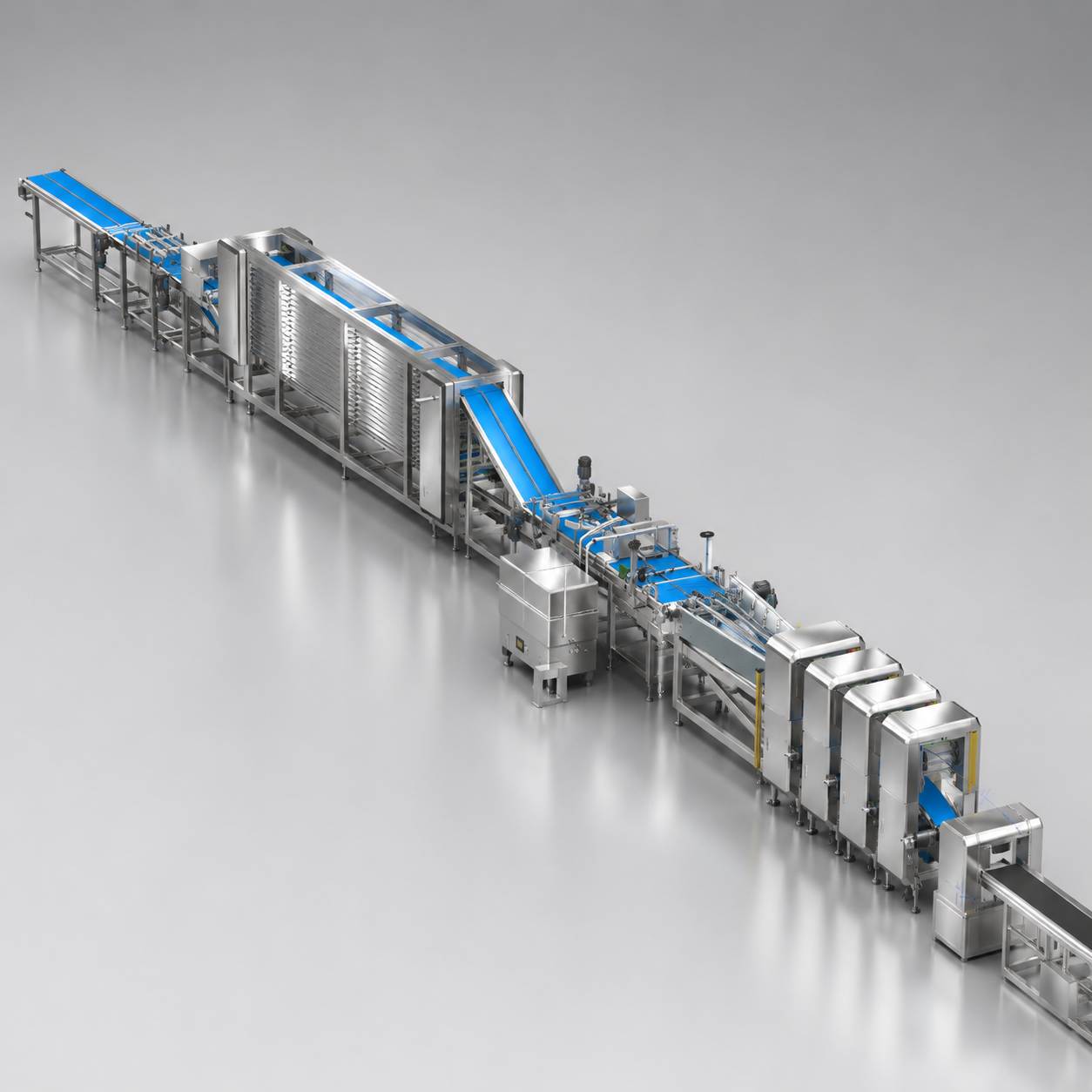
Paratha/Roti Production Line
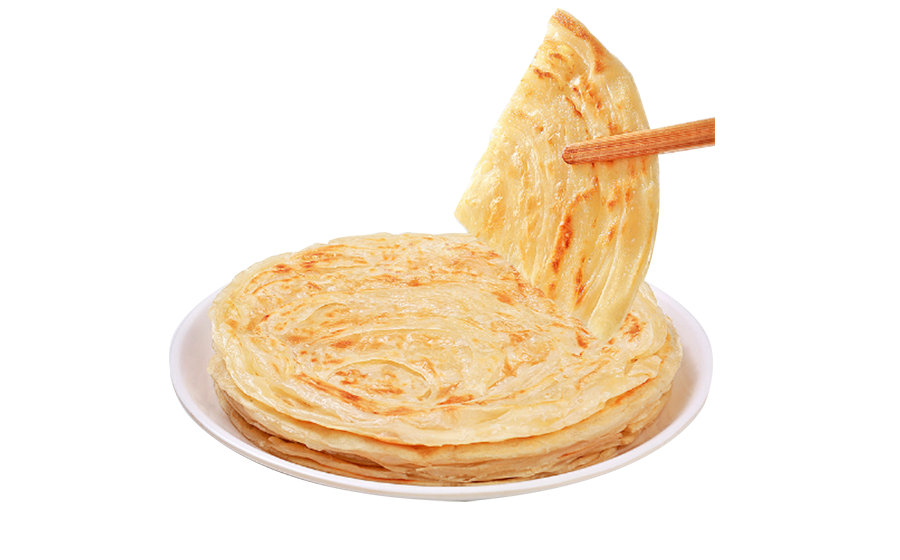
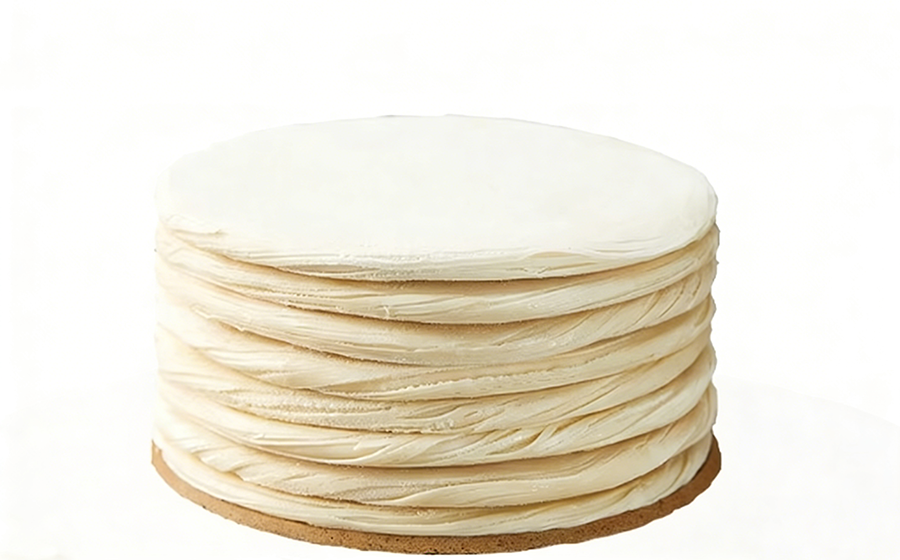
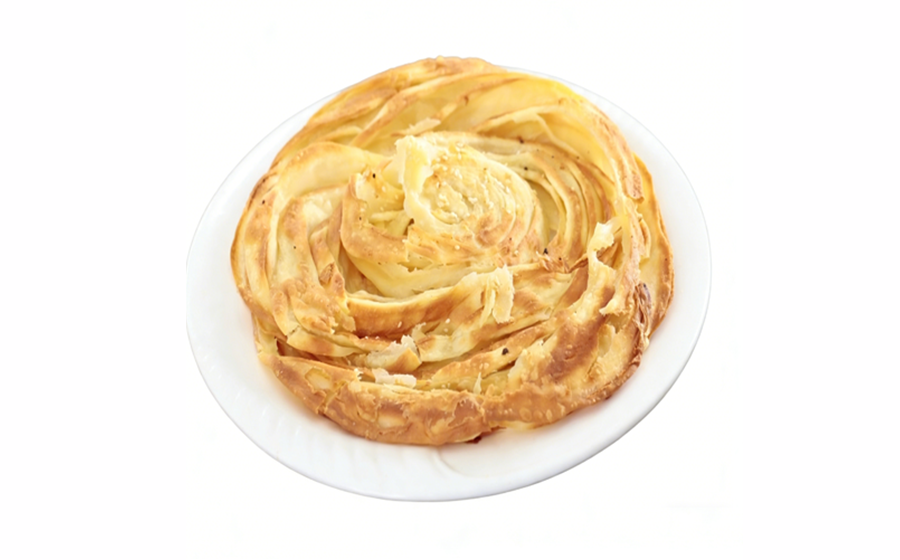
The Paratha / Roti Production Line is designed for the automated production of paratha, roti-style layered flatbread, and similar laminated flatbread products. With dough dividing, feeding, multi-stage sheeting, stretching, oil brushing, forming, cooling, cutting, and rolling processes, the line helps food factories achieve standardized mass production, rich layered texture, stable product size, reduced manual handling, and improved food hygiene.
Product Gallery
Quick Specs
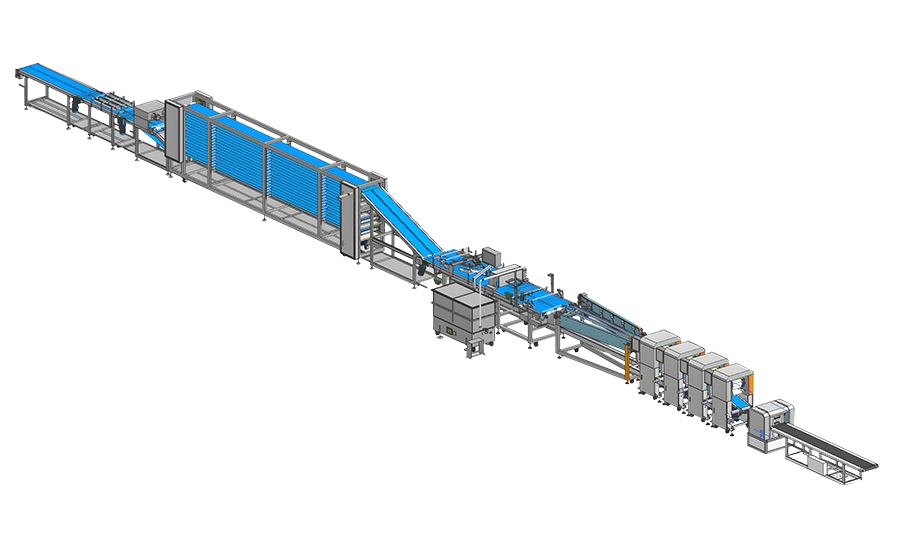
Line Layout Diagrams
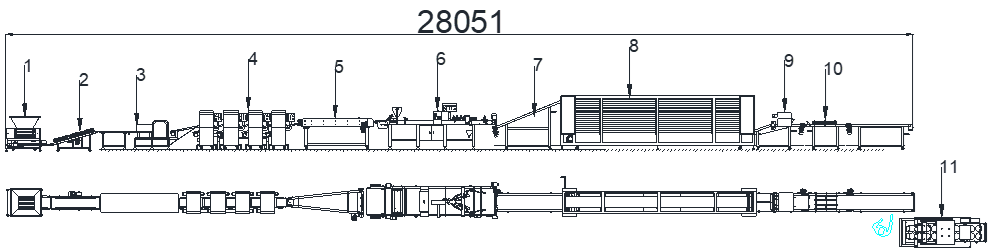
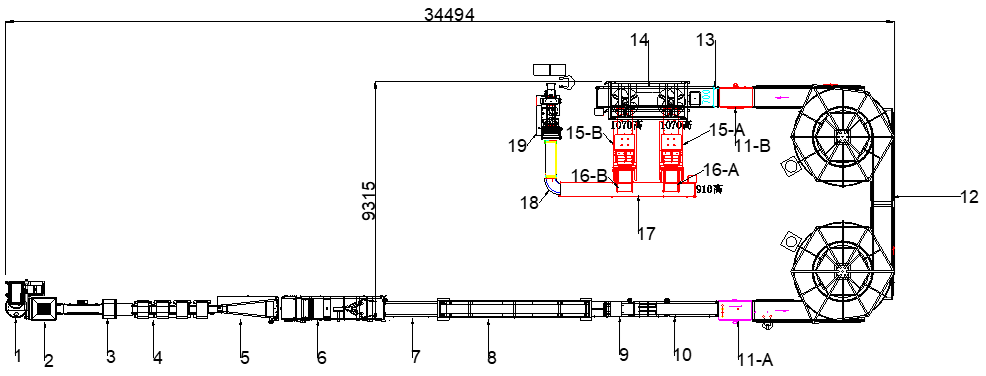
Modular configurations tailored to your factory space and production requirements.
Machine Components
Machine Components
Model Specifications
Compare models to find the right production capacity and configuration for your factory.
| Model | Press Plate Size | Diameter (inch) | Diameter (mm) | Product Weight | Capacity / Hour | Press Stroke |
|---|---|---|---|---|---|---|
| PXPR-2 | 10-24cm | 6-10 | 10-20 | 60-150g | 2000-6000 | 2*2 |
| PXPR-3 | 10-24cm | 6-10 | 10-20 | 60-150g | 2000-6000 | 3*3 |
* Specifications may vary based on product formulation and customization. Contact us for tailored solutions.
Production Process
Dough Dividing
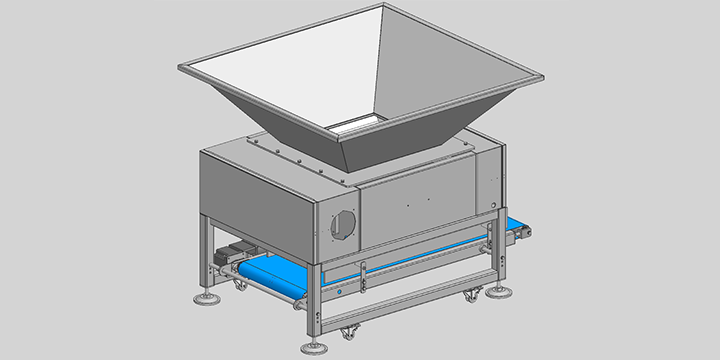
Bulk dough is divided into suitable portions by the Dough Chunker, helping ensure stable feeding and reducing manual handling at the beginning of production.
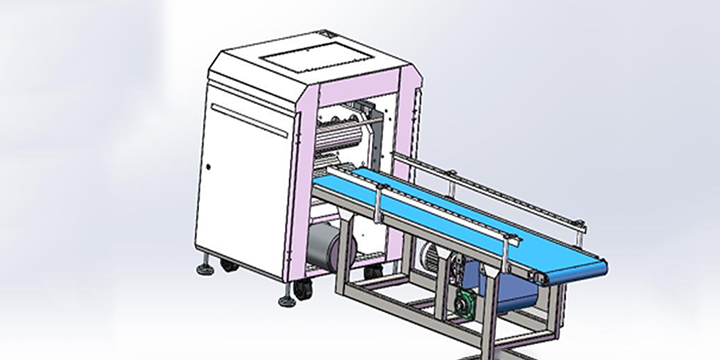
Dough Feeding & Feeding
The divided dough is transferred smoothly by the feeding conveyor to the next processing section, helping prevent dough deviation and deformation. The dough enters the pre-sheeting unit for initial shaping, preparing it for further sheeting and stretching.
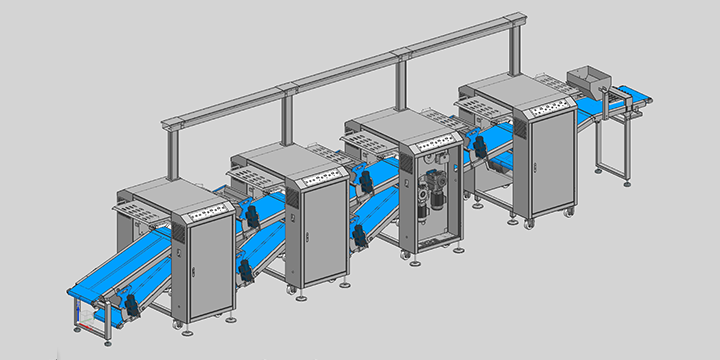
Four-Stage Sheeting
The dough passes through multiple sheeting units for gradual thickness reduction and gluten development, helping create uniform dough sheets and a stable base for layered texture.
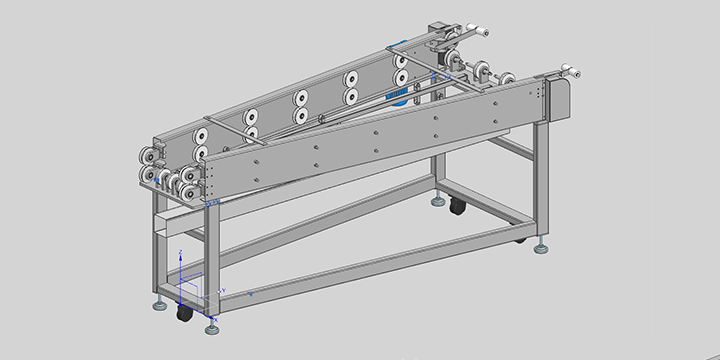
Dough Stretching
The Extend Machine further stretches the dough sheet, simulating manual stretching and improving dough extensibility for rich paratha layers.
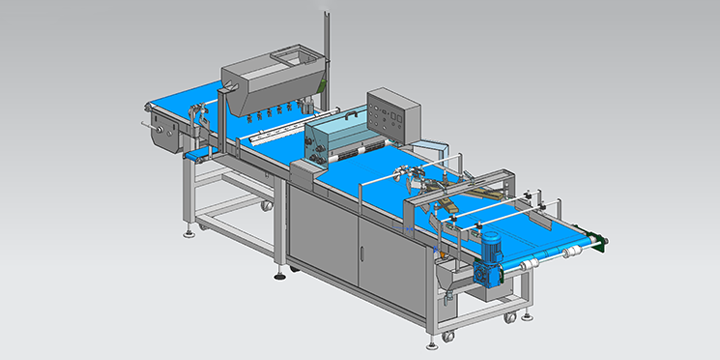
Oil Brushing / Dividing / Forming
The dough sheet is evenly brushed with oil, then trimmed, slit, and divided for forming. Even oil brushing helps create clear layers and a crisp, chewy texture.
Cooling
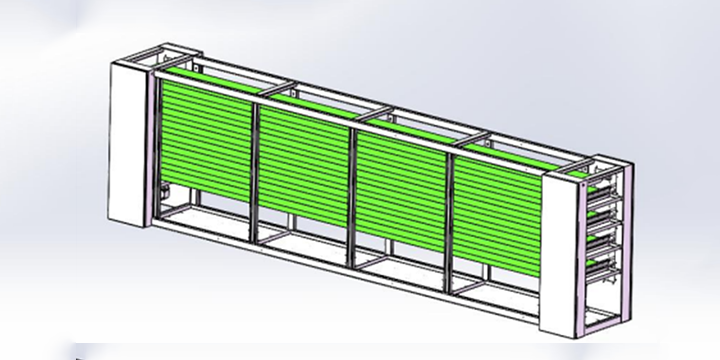
The product passes through the cooling conveyor to stabilize its shape and prepare it for cutting and rolling. The multi-tier cooling design also helps reduce floor
Length Cutting
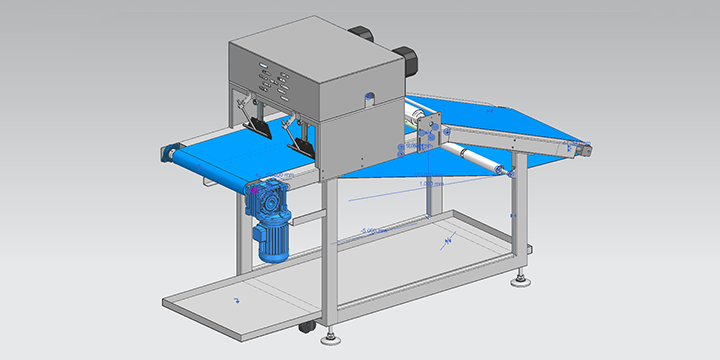
The cooled dough sheet is cut according to the required length, helping ensure consistent product size, weight, and specifications.
Rolling Forming
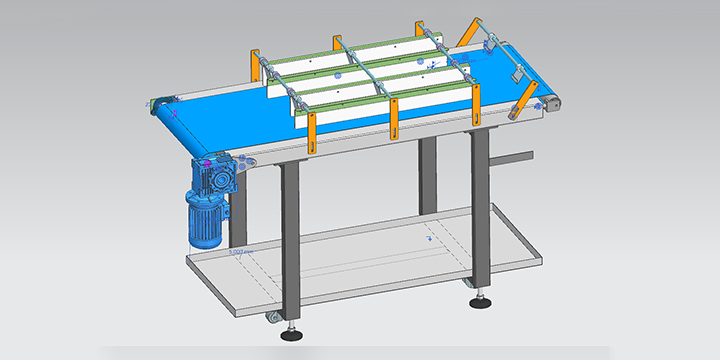
The cut dough sheet enters the rolling section to form layered paratha or roti-style products, ready for the next processing step.
Press Film / Packaging Connection
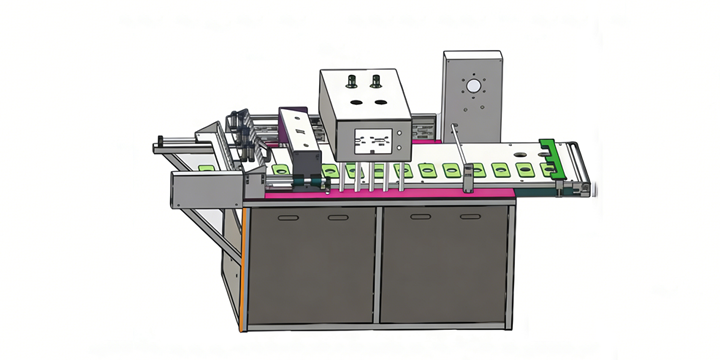
The formed products can be connected with press film, packaging, freezing, or other downstream processes to support continuous industrial production.
Dough Dividing
Bulk dough is divided into suitable portions by the Dough Chunker, helping ensure stable feeding and reducing manual handling at the beginning of production.
Dough Feeding & Feeding
The divided dough is transferred smoothly by the feeding conveyor to the next processing section, helping prevent dough deviation and deformation. The dough enters the pre-sheeting unit for initial shaping, preparing it for further sheeting and stretching.
Four-Stage Sheeting
The dough passes through multiple sheeting units for gradual thickness reduction and gluten development, helping create uniform dough sheets and a stable base for layered texture.
Dough Stretching
The Extend Machine further stretches the dough sheet, simulating manual stretching and improving dough extensibility for rich paratha layers.
Oil Brushing / Dividing / Forming
The dough sheet is evenly brushed with oil, then trimmed, slit, and divided for forming. Even oil brushing helps create clear layers and a crisp, chewy texture.
Cooling
The product passes through the cooling conveyor to stabilize its shape and prepare it for cutting and rolling. The multi-tier cooling design also helps reduce floor
Length Cutting
The cooled dough sheet is cut according to the required length, helping ensure consistent product size, weight, and specifications.
Rolling Forming
The cut dough sheet enters the rolling section to form layered paratha or roti-style products, ready for the next processing step.
Press Film / Packaging Connection
The formed products can be connected with press film, packaging, freezing, or other downstream processes to support continuous industrial production.
Key Features
Engineering advantages built into every production line for reliability and performance.
Designed for Large-Scale Paratha / Roti Production
The line is built for standardized, continuous, and large-volume production of paratha, roti-style layered flatbread, and similar laminated dough products.
Rich Layered Texture with Consistent Quality
Through multi-stage sheeting, dough stretching, oil brushing, and forming, the line helps create clear layers, uniform thickness, and stable product texture.
Simulates Traditional Hand-Stretching Process
The dough stretching system is designed to imitate manual stretching, improving dough extensibility and helping form the layered structure required for high-quality paratha.
Full-Process Automation Reduces Manual Handling
From dough dividing, feeding, sheeting, stretching, oil brushing, cooling, cutting, to rolling, the production process is continuously connected, reducing labor dependency and manual contamination risk.
Food-Grade Stainless Steel for Hygiene & Easy Cleaning
The line uses food-grade stainless steel structures, helping improve hygiene, corrosion resistance, and cleaning efficiency for modern food production.
Stable Size, Weight, and Shape Control
Automatic dough portioning, sheet forming, length cutting, and rolling help ensure consistent product dimensions and improve production standardization.
Compact Cooling System for Space Efficiency
The multi-tier cooling design helps stabilize product shape while reducing floor space requirements, making the line more suitable for industrial factory layouts.
Ready to Build Your Paratha/Roti Production Line?
Tell us your production requirements -- product type, size, target capacity, and factory layout. Our engineers will recommend the right configuration and provide a detailed quotation within 24 hours.