
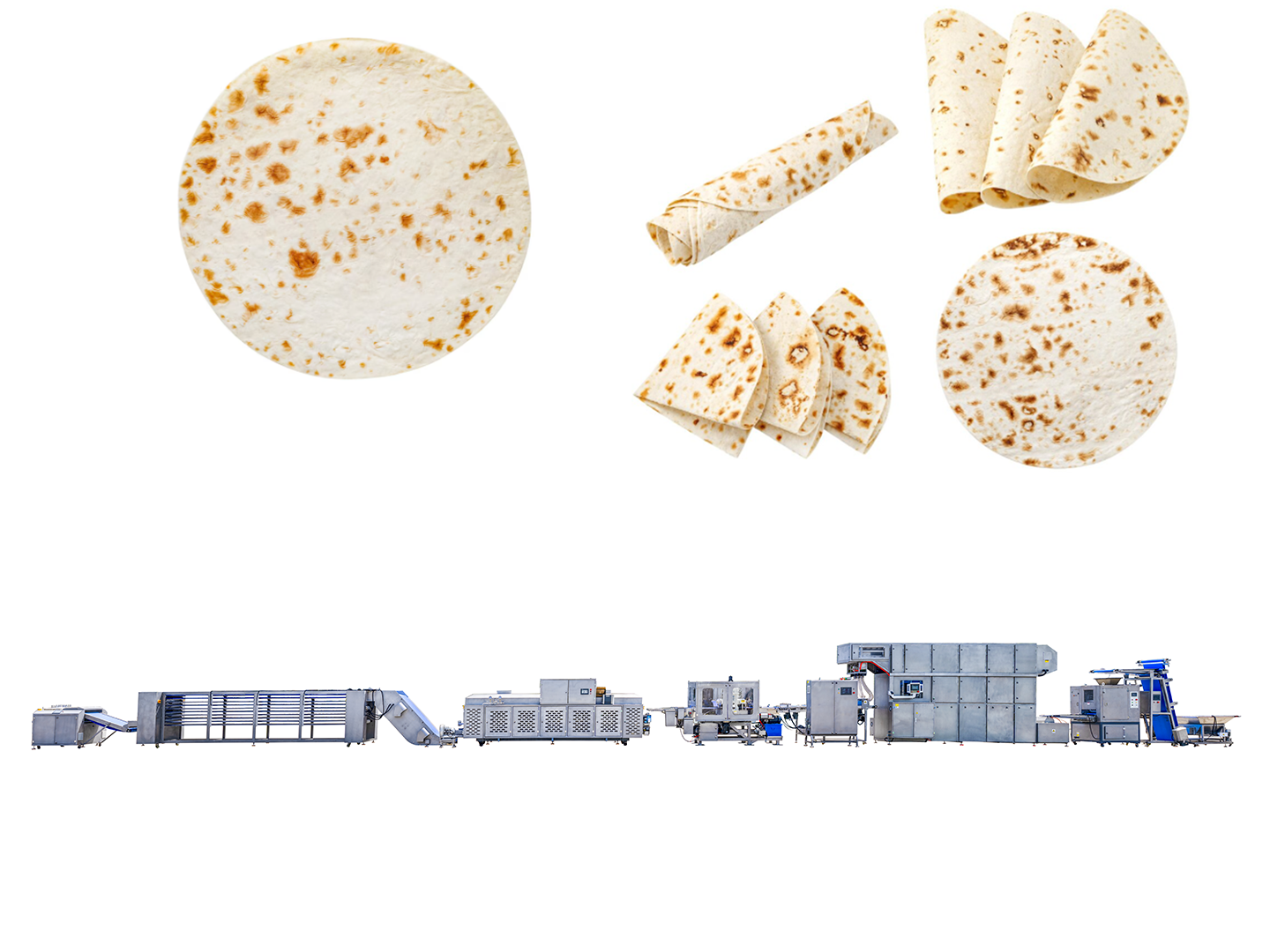
What Machines Are Used in a Tortilla Production Line?
Most buyers ask us for a machine list. That is the wrong starting point. The right question is: which machines, at what automation level, for your specific product?
A tortilla production line typically includes a dough mixer, divider-rounder, dough press or sheeter, tunnel oven or griddle, cooling conveyor, and stacking or packaging unit. But the exact configuration depends on your flour type, target diameter, output volume, and budget. No single list applies to every buyer.
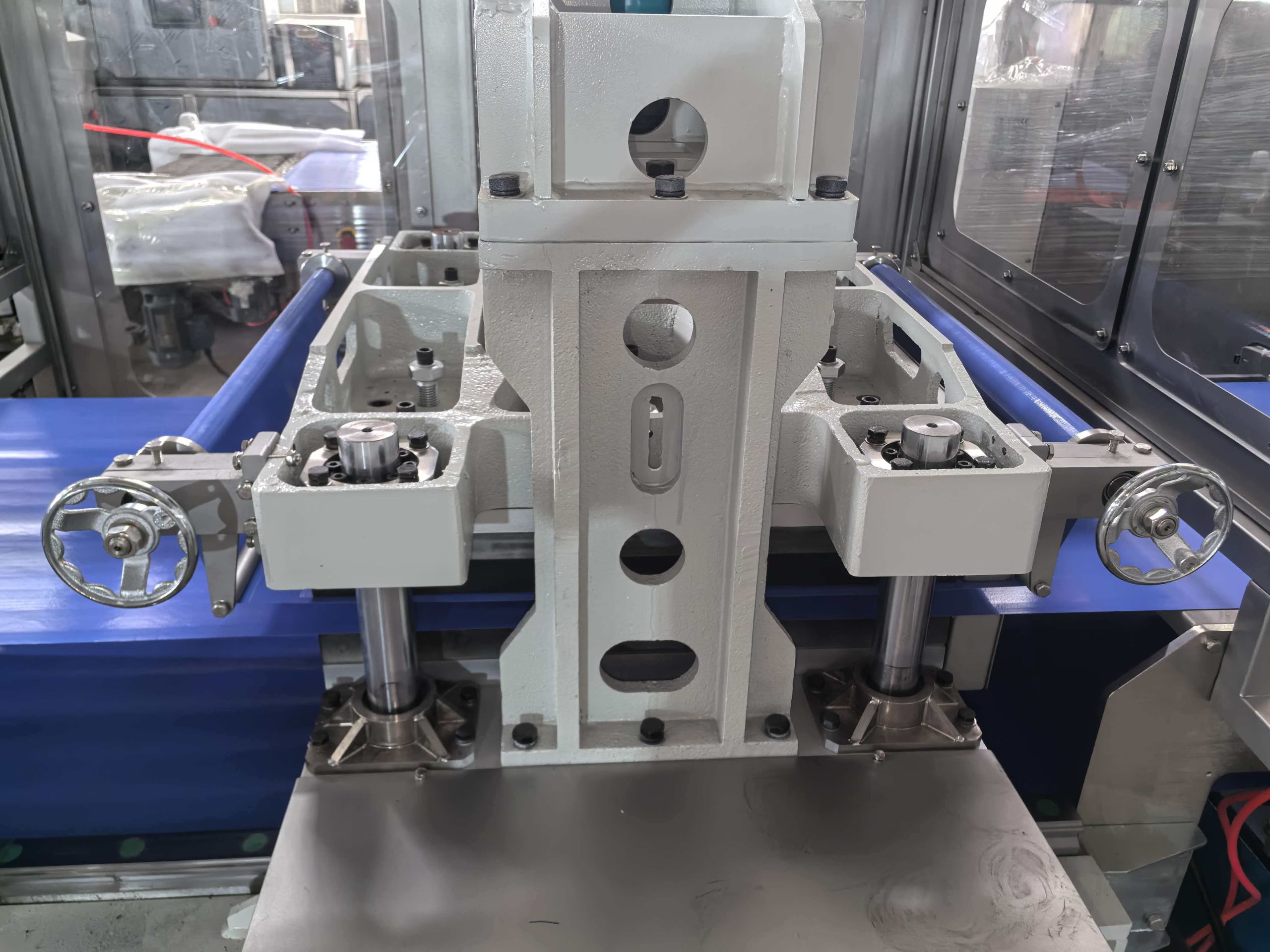
We talk to food production entrepreneurs and procurement managers across the Middle East, North Africa, Europe, and South America every week. The conversation almost always starts the same way: someone sends us a request for a price list of tortilla machines. What follows is usually a longer conversation about why that price list, on its own, means very little. This article explains what we tell them.
Is a Tortilla Line Just a List of Machines?
Buyers often treat a production line like a shopping cart. They assume they can pick individual machines, combine them, and get a working line. That assumption causes real problems.
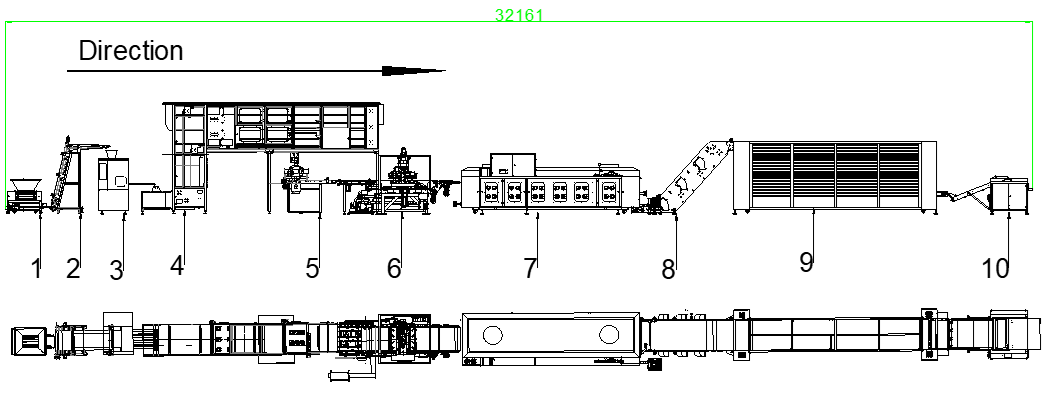
A tortilla line is a connected process, not a collection of separate machines. Each stage depends on the one before it. If any single stage is mismatched in speed, capacity, or dough handling spec, the whole line produces inconsistent output — or stops entirely.
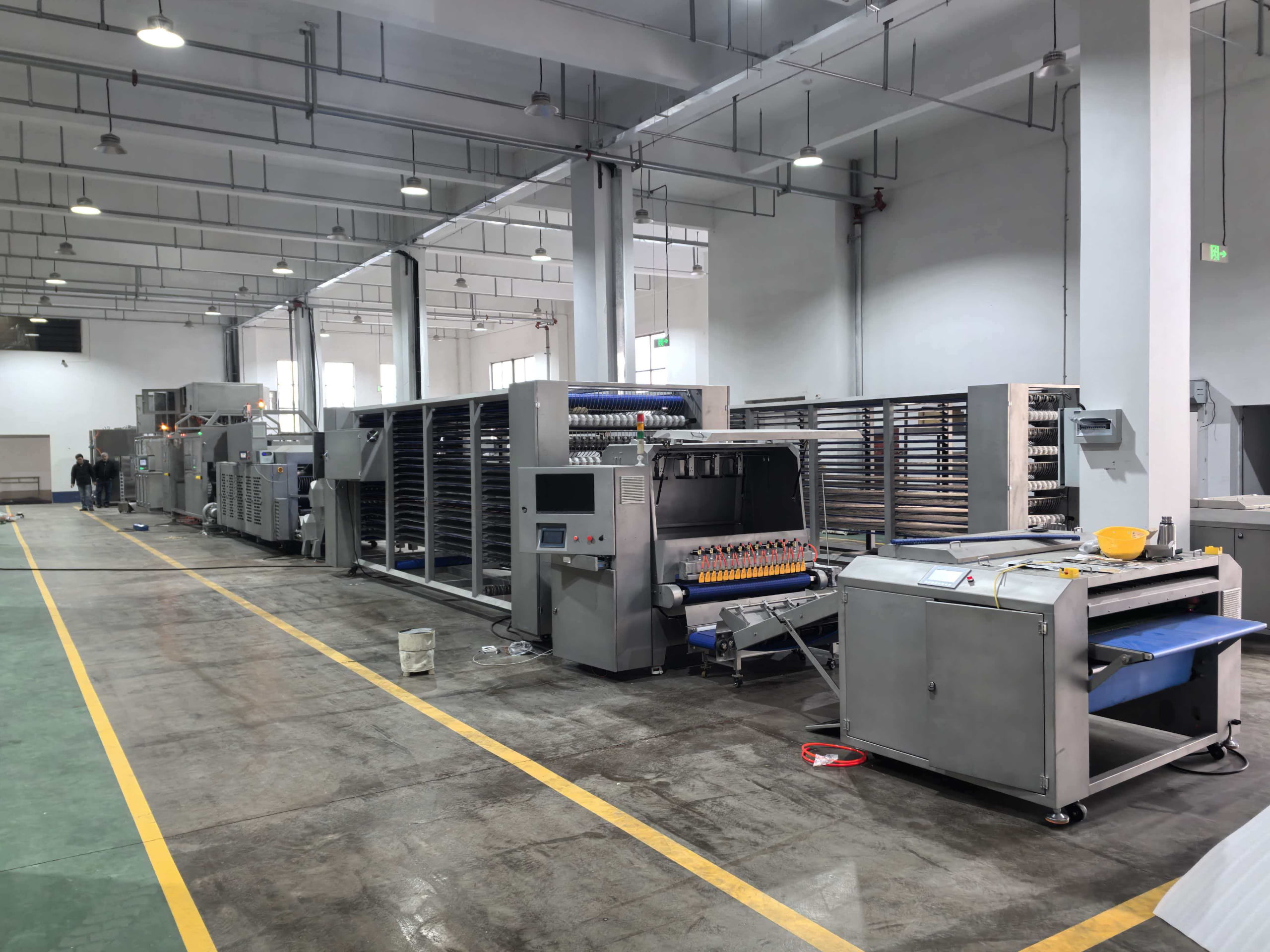
The process runs in one direction: mixing → dividing → pressing or sheeting → baking → cooling → stacking or packaging. Each stage hands off a product to the next. The handoff conditions matter as much as the machines themselves.
Here is what that looks like in practice.
The Six Core Stages and Why Each One Affects the Next
Stage 1: Dough Mixing
The mixer is where everything starts, but it is also where the most variation enters the process. Hydration level, mixing time, and dough temperature all affect how the dough behaves in every stage after this one.
If a buyer selects a mixer based on price alone, without matching its output consistency to the divider's tolerance, they will see weight variation in every dough ball from that point forward. That variation does not disappear — it compounds.
Stage 2: Dividing and Rounding
The divider cuts the dough into individual portions. The rounder shapes those portions into uniform balls. Both machines need to be calibrated to the dough weight your target tortilla diameter and thickness require.
A buyer targeting 25cm flour tortillas needs a different dough ball weight than one targeting 15cm corn tortillas. If the divider is set for the wrong weight range, every downstream machine works harder to compensate — and usually fails.
Stage 3: Pressing or Sheeting
This is where flour tortilla lines and corn tortilla lines diverge most clearly. We cover this in more detail in a later section, but the short version is this: flour tortillas are typically formed by a rolling or sheeting mechanism, while corn masa tortillas are more commonly formed by a flat press. The mechanisms are different, the machine footprint is different, and the dough handling requirements are different.
Stage 4: Baking
Tunnel ovens and griddle-style baking systems are both used in tortilla lines, depending on product type and desired texture. The key variable here is contact time and surface temperature. A baking system that works well for a thin flour tortilla may not produce the right result for a thicker product or a different hydration level.
Stage 5: Cooling
This stage is underestimated by most buyers. Tortillas that come off the oven are hot and flexible. If they are stacked or packaged immediately, they trap steam, stick together, and develop surface defects. A cooling conveyor — properly sized for your line speed — gives the product time to stabilize before the next stage.
We have spoken with buyers who tried to reduce cost by shortening the cooling section. The result was consistent packaging failures and product returns.
Stage 6: Stacking and Packaging
The final stage needs to match both the output rate of the line and the packaging format your market requires. A line producing 3,000 tortillas per hour with a manual stacking setup will create a bottleneck that limits the effective output of every upstream machine.
| Stage | Common Failure Point | Downstream Impact |
|---|---|---|
| Mixing | Inconsistent hydration | Variable dough ball weight |
| Dividing | Wrong weight range | Diameter variation at press |
| Pressing/Sheeting | Wrong mechanism for dough type | Tearing, uneven thickness |
| Baking | Mismatched contact time | Underbaked or overbaked product |
| Cooling | Section too short | Packaging defects, product sticking |
| Stacking/Packaging | Speed mismatch | Line bottleneck, output loss |
Does Automation Level Change Which Machines You Need?
Many buyers compare machine prices before deciding how much of their line they want to automate. That order is backwards.
Automation level should be the first decision, not the last. Semi-automatic lines require trained operators at key handoff points. Fully automatic lines shift cost to setup, integration, and maintenance. Which is right depends on your labor cost, how many product variants you run, and your daily output target.
This is one of the most common points of confusion we see in buyer conversations. Someone receives two quotes — one for a semi-automatic line and one for a fully automatic line — and tries to evaluate them on price per machine. That comparison does not work.
What "Semi-Automatic" Actually Means in a Tortilla Line
In a semi-automatic line, some stages are mechanized and some require a human operator to move product between them. The most common manual handoff points are between the divider and the press, and between the oven and the cooling conveyor.
This is not necessarily a weakness. For operations with lower daily output targets, multiple product SKUs, or lower labor costs, a semi-automatic line can offer more flexibility at lower capital cost.
The risk is this: semi-automatic lines require consistent operator skill at every manual handoff point. If that skill is not there, or if staff turnover is high, quality variation follows.
What "Fully Automatic" Actually Means in a Tortilla Line
A fully automatic line connects all stages mechanically, with minimal manual intervention during production. The operator role shifts from physical product handling to machine monitoring, parameter adjustment, and maintenance.
The capital cost is higher. The setup time is longer. But for operations running high volumes of a consistent product — say, 1,000 kg per hour of a single tortilla spec — a fully automatic line reduces per-unit labor cost and produces more consistent output over long production runs.
| Factor | Favors Semi-Automatic | Favors Fully Automatic |
|---|---|---|
| Daily output target | Lower volumes | High, continuous volumes |
| Product variety | Multiple SKUs, frequent changeovers | Single or few stable specs |
| Labor cost | Lower local labor cost | Higher local labor cost |
| Operator skill availability | Skilled operators available | Skilled operators hard to retain |
| Capital budget | More constrained | More available |
The right answer is not automatic (no pun intended). A buyer in North Africa running three tortilla variants in smaller batches may be better served by a semi-automatic line even if their facility could support a fully automatic one.
Does Your Flour Type Change the Machines You Need?
Yes. More than most buyers expect. This is the detail that most frequently creates a mismatch between what a buyer orders and what they actually need.
Corn tortillas and flour tortillas require different forming mechanisms. Corn masa is pressed flat under direct pressure. Wheat flour dough is typically sheeted or rolled. Using the wrong mechanism for your dough type produces tortillas with the wrong texture, inconsistent thickness, and high waste rates.
We ask every buyer two questions early in the conversation: what flour type are you using, and what is your target diameter? Those two variables often determine the configuration of at least three stages in the line.
Corn Tortilla Lines vs. Flour Tortilla Lines
Corn masa has a very different structure from wheat flour dough. It does not develop gluten in the same way. It does not stretch under a roller the way wheat dough does. A rolling or sheeting mechanism designed for wheat dough will tear corn masa or produce uneven thickness.
Corn tortilla lines typically use a flat plate press — two horizontal plates that compress the masa ball directly. The pressure, plate temperature, and press cycle time all affect the final diameter and thickness.
Flour tortilla lines more commonly use a rolling or sheeting system. Some use a combination of a pre-press and a final sheeter to achieve consistent thickness across different diameters.
How Target Diameter Affects Equipment Selection
This is where parameter decisions connect directly to machine selection.
| Target Diameter | Typical Forming Approach | Notes |
|---|---|---|
| Under 15 cm | Flat press (corn) or small roller | Common for street-food style corn tortillas |
| 15–25 cm | Roller or combination press/sheeter | Most flour tortilla production falls here |
| Over 25 cm | Wider sheeter or specialized press | Requires larger forming surface, affects oven width |
A buyer who does not specify diameter when requesting a quote may receive a press that physically cannot produce their target product. We have seen this happen. The buyer receives the machine, tries to run their product, and finds the forming stage produces tortillas 5 cm smaller than their market spec. Fixing this after installation is expensive.
Hydration Level and Dough Consistency
Hydration level — the ratio of water to flour in your dough — affects how the dough behaves under pressure and heat. Higher hydration doughs are softer and more extensible. Lower hydration doughs are firmer and more resistant to forming.
A press or sheeter calibrated for a high-hydration dough will stick, deform, or tear a low-hydration dough at the same settings. This is not a machine defect. It is a calibration issue that requires knowing your dough spec before specifying the machine.
This is why a supplier who asks about your dough hydration before quoting is not being difficult. They are doing their job.
What Is the Difference Between a Standard Line and a Custom Line?
This distinction matters more than most buyers realize at the time of purchase. It becomes very clear after installation.
A standard tortilla line is built to a fixed configuration and works well for common product specs. A custom line is adapted to your flour type, facility layout, output target, and packaging format. Accepting a standard line for a non-standard product is a procurement risk, not just a preference.
We work with buyers in markets where the standard corn or wheat flour tortilla spec from a North American or European reference point does not match what local consumers expect. The diameter is different. The thickness is different. Sometimes the flour blend is different because of what is available locally.
A standard line built for a 20 cm flour tortilla at 500 kg per hour will not produce a 30 cm flatbread variant at the same quality level without modification. If the buyer accepts the standard line because it was cheaper or faster to quote, they will pay for that modification later — often at higher cost and with production downtime.
What Customization Actually Means in Practice
Customization is not just about adding features. It covers several specific areas.
Process adaptation: Adjusting the forming, baking, and cooling parameters to match a specific flour blend or product spec. This might mean a different press plate size, a different oven belt speed range, or a longer cooling section.
Capacity scaling: Sizing each stage of the line to match a consistent output target. A line where the mixer can produce 800 kg/hr but the oven can only handle 400 kg/hr is a capacity mismatch that will frustrate the buyer every single production day.
Facility layout: Not every production floor is the same shape or size. A standard line configuration may not physically fit the available space, or may require product to travel in a direction the facility cannot support.
OEM and branding: Some buyers — particularly those who are building their own equipment brand or selling lines to their own customers — need machines produced under their brand name. This is a legitimate and common request and should be part of the initial conversation, not an afterthought.
| Customization Type | Why It Matters to the Buyer |
|---|---|
| Process adaptation | Ensures the line runs your actual product spec, not a generic reference |
| Capacity scaling | Prevents bottlenecks and wasted investment in oversized or undersized stages |
| Facility layout | Avoids expensive retrofitting or spatial conflicts after delivery |
| OEM / branding | Relevant for buyers building or reselling their own equipment brand |
The risk of accepting a standard line for a non-standard application is not just technical. It is financial. Modifications after installation cost more than getting the specification right before the order is placed.
Conclusion
A tortilla line is a system. The machines you need depend on your product spec, flour type, automation preference, and output target — not on a generic list.
Leave a Reply